



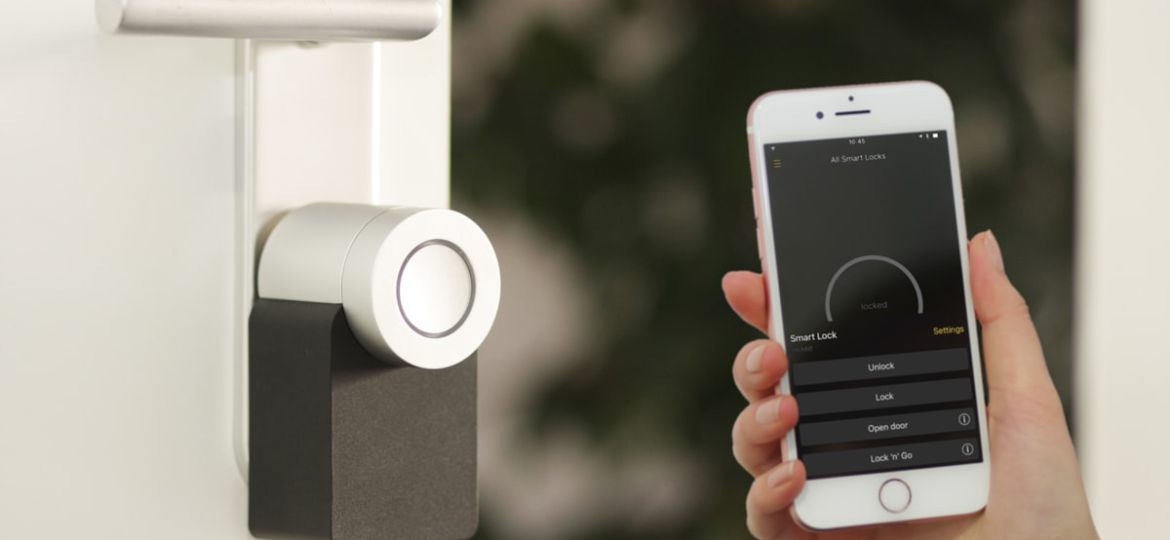
Smart home technology has evolved from a luxury novelty to a standard expectation for modern homebuyers. As we move deeper into 2026, the integration of intelligent home systems isn’t just about convenience—it’s increasingly affecting property values, marketability, and buyer preferences. Let’s explore how smart home technology is reshaping the real estate landscape.
The Current State of Smart Home Adoption
Recent studies show that 81% of homebuyers consider smart home technology important when searching for a new home, and 66% are willing to pay more for a home with smart features. The global smart home market is projected to reach $537 billion by 2030, indicating this isn’t a passing trend but a fundamental shift in how we interact with our living spaces.
Smart Features That Increase Property Value
1. Smart Security Systems
Security remains the top priority for homebuyers, and smart security systems can add significant value:
- Smart Locks: Keyless entry systems with smartphone control add $1,200-$1,500 in value
- Video Doorbells: Properties with video doorbell systems see 4% faster sales
- Comprehensive Security Systems: Integrated cameras, motion sensors, and smart alarms can increase property value by 3-5%
- Smart Smoke and CO2 Detectors: Besides safety, these can lower insurance premiums
2. Smart Thermostats
Energy efficiency is increasingly important to buyers, both environmentally and financially. Smart thermostats like Nest, Ecobee, or Honeywell Home can:
- Reduce energy bills by 10-23% annually
- Add approximately $1,000-$2,500 in property value
- Learn household patterns and optimize heating/cooling automatically
- Provide detailed energy usage reports
- Be controlled remotely via smartphone
In a survey of real estate agents, 71% said smart thermostats make homes easier to sell, and 45% said they increase home value.
3. Smart Lighting Systems
Integrated lighting systems offer both convenience and energy savings:
- Programmable scenes for different moods and activities
- Motion-activated lights for security and convenience
- Energy monitoring and reduced electricity costs
- Voice control integration with Amazon Alexa, Google Home, or Apple HomeKit
Properties with comprehensive smart lighting systems can see a 1-3% increase in value, particularly in luxury markets.
4. Smart Appliances
Modern kitchens are increasingly featuring connected appliances:
- Smart Refrigerators: Internal cameras, inventory management, and recipe suggestions
- Smart Ovens: Remote preheating, cooking monitoring, and guided recipes
- Smart Dishwashers: Cycle notifications and energy-efficient operation
- Smart Washing Machines/Dryers: Remote monitoring and energy tracking
A kitchen equipped with smart appliances can add $3,000-$8,000 to a home’s value, though this varies significantly by market.
5. Smart Home Hubs and Integration
The real value comes from integration. A home with properly integrated systems (all controlled through one platform like Samsung SmartThings, Apple HomeKit, or Google Home) is more valuable than one with disconnected smart devices. Unified systems offer:
- Single-app control of all devices
- Automated routines (e.g., “Goodnight” routine that locks doors, adjusts thermostat, and turns off lights)
- Energy optimization across all systems
- Easier learning curve for new homeowners
The ROI of Smart Home Technology
Understanding the return on investment is crucial for homeowners considering upgrades:
| Smart Technology | Average Cost | Value Added | ROI % |
|---|---|---|---|
| Smart Thermostat | $200-$300 | $1,000-$2,500 | 300-500% |
| Smart Security System | $500-$1,500 | $2,000-$5,000 | 200-300% |
| Smart Lighting | $500-$2,000 | $1,500-$4,000 | 150-200% |
| Video Doorbell | $150-$400 | $800-$1,500 | 200-400% |
| Smart Appliances | $2,000-$6,000 | $3,000-$8,000 | 100-150% |
Demographics and Smart Home Preferences
Different buyer demographics have varying priorities regarding smart home technology:
Millennials and Gen Z (25-40 years old):
- Expect smart home technology as standard
- Prioritize whole-home integration
- Value voice control and smartphone apps
- Willing to pay 5-10% more for fully integrated smart homes
Gen X (40-55 years old):
- Focus on practical applications (security, energy efficiency)
- Appreciate smart technology but don’t consider it essential
- Willing to pay 3-5% more for smart features
Baby Boomers (55+ years old):
- Interested in safety and accessibility features
- May be less tech-savvy but appreciate user-friendly systems
- Smart features can make aging in place more viable
- Willing to pay 2-3% more for carefully selected smart features
Smart Home Technology and Marketing
Beyond actual value, smart home features significantly improve marketing appeal:
- Professional Photos: Smart devices photograph well and signal modernity
- Virtual Tours: Smart features can be highlighted during virtual showings
- Listing Descriptions: Smart technology creates compelling talking points
- Social Media: Smart homes generate more engagement on social platforms
Properties with smart technology receive 30% more online views and generate more showing requests, leading to faster sales even if the actual price premium is modest.
Considerations Before Installing Smart Technology
Choose Compatible Systems
Ensure all devices work together through a common platform. Incompatible systems frustrate buyers and reduce perceived value.
Keep It Simple
Overly complex systems can intimidate buyers. Focus on intuitive, user-friendly technology that can be demonstrated easily during showings.
Document Everything
Provide new homeowners with manuals, warranty information, app login details, and setup instructions. A well-documented smart home is more valuable than one with mystery devices.
Consider Your Market
Luxury markets expect comprehensive smart home integration, while entry-level markets may find basic smart thermostats and security sufficient.
Future-Proof When Possible
Technology evolves rapidly. Choose systems with good track records for updates and long-term support from established companies.
The Future of Smart Homes and Real Estate
Looking ahead, several trends are emerging:
- AI Integration: Homes that learn and adapt to occupants’ preferences automatically
- Energy Management: Integration with solar panels, battery storage, and grid optimization
- Health Monitoring: Air quality sensors, water quality monitoring, and health-focused features
- Sustainability Tracking: Real-time monitoring of carbon footprint and resource usage
- Matter Standard: The new universal standard for smart home devices will improve interoperability
Conclusion
Smart home technology is no longer optional for sellers who want to maximize their property’s value and marketability. The data is clear: homes with thoughtfully integrated smart features sell faster and for more money than comparable homes without these upgrades.
For homeowners considering smart home investments, focus on high-ROI features like smart thermostats, security systems, and video doorbells. Ensure everything integrates well, keep systems user-friendly, and document everything for future owners.
As technology continues to evolve, the gap between smart-enabled and traditional homes will only widen. Whether you’re preparing to sell soon or planning for the long term, investing in smart home technology is increasingly essential for maintaining your property’s competitive edge in the modern real estate market.